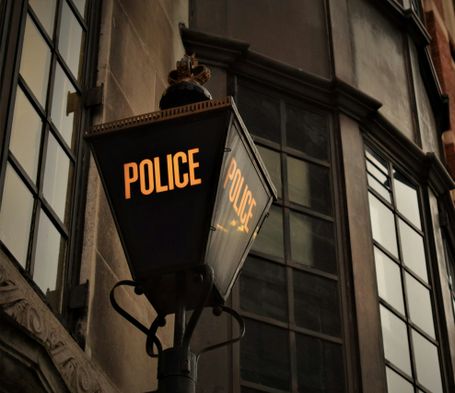
Counselling for Police Officers
When the job stays with you after the shift ends...
Police work can involve experiences, pressures and responsibilities that most people never encounter. While officers develop skills to manage difficult situations professionally, the emotional impact of the role can build over time.
Counselling can provide a confidential space to explore experiences, thoughts and feelings without judgement.
Topics to cover:
Exposure to traumatic incidents
Hypervigilance and being "always on"
Difficulty switching off after work
Sleep problems
Anxiety and stress
Relationship strain
Emotional numbness
Anger or frustration
Identity changes after retirement or leaving the service
Feeling unable to talk openly with colleagues or family
Section idea:
"Why police officers may find counselling difficult"
Discuss:
The culture of resilience
Feeling others "have it worse"
Concerns about confidentiality
Worry about being perceived as weak
Your differentiator:
Include something like:
Having spent over 20 years working in public service, I understand the culture, pressures and expectations that can shape the experiences of those working in demanding roles.
FAQ ideas:
Is counselling confidential for police officers?
Can counselling help with work-related stress?
Do I need to have experienced trauma to seek support?
Can retired officers benefit from counselling?