
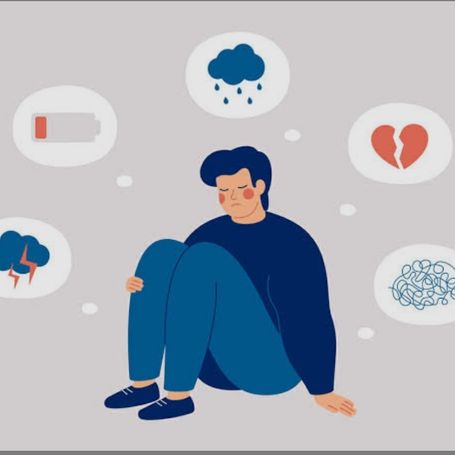
What is Grief?
Grief is the emotional, psychological, and sometimes physical response to loss.
Grief is most often associated with bereavement, but it can follow many kinds of loss, relationship breakdown, health changes, job loss, or even the loss of identity or future expectations.
Grief isn’t a single feeling. It’s more like a shifting process that can include: sadness and yearning, shock or numbness, anger or irritability, guilt or regret, anxiety and fear, then moments of acceptance and/or discovering meaning.
Importantly, grief doesn’t move in a straight line. People often cycle through these states, sometimes feeling “fine” one day and overwhelmed the next. That variability is normal rather than a sign of going backwards.
How Transactional Analysis understands grief
Transactional Analysis helps make sense of grief by looking at internal processes (how we relate to ourselves) and relational patterns (how we connect with others while grieving).
It’s especially useful because grief often involves internal conflict between different parts of the self.
Ego states: what happens inside during grief? TA suggests we operate from three ego states: Parent, Adult, and Child.
During grief, these can become very intense:
Child ego state (emotional pain)
“I miss them so much”
“I can’t cope with this”
longing, fear, sadness, panic
This is often the most activated part in grief, especially early on.
Parent ego state (internal messages)
“You should be over this by now”
“Be strong”
“Don’t fall apart”
This can create pressure, guilt, or shame around grieving “correctly.”
Adult ego state (reality processing)
understands the loss has happened, helps with practical decisions and gradually integrates the reality of life after loss.
Grief becomes harder when the Critical Parent dominates, because it invalidates emotional experience, or when the Child overwhelms the Adult, making functioning difficult.
Healthy grieving often involves strengthening the Adult so it can hold both emotion and reality without shutting either down.
Life scripts and meaning-making
TA suggests people operate from unconscious life “scripts” formed early in life. Grief can activate or challenge these scripts.
For example:
“I am abandoned”
“Loss always means I will be alone”
“I must stay strong and not need others”
A significant loss can feel like it confirms old beliefs, or forces them into awareness.
Therapeutically, grief work often includes gently revising these scripts so the person can build a new narrative that includes the loss without being defined by it.
Strokes (emotional recognition)
In TA, “strokes” are units of recognition - attention, care, acknowledgement, or emotional contact.
Grief often disrupts stroke patterns: The person who provided emotional “strokes” is gone, social attention may reduce after the initial loss period, people may avoid the grieving person because they don’t know what to say. This can lead to emotional isolation.
Grief can intensify the need for strokes, even if someone withdraws. TA-informed work focuses on helping people: receive appropriate support, recognise their own emotional needs, rebuild healthy connection patterns.
“Games” and relational responses to grief
TA describes repetitive relational patterns (games) that can emerge under emotional strain. In grief, these might look like:
- Withdrawing -> others stop checking in -> feeling abandoned -> further withdrawal
- Expressing distress indirectly -> others misunderstand -> reinforcing isolation
- Appearing “fine” -> receiving less support -> feeling unseen
Understanding these patterns helps people move toward more direct, authentic communication of need.
The goal: integration, not “getting over it”
TA doesn’t frame grief as something to eliminate. Instead, it supports integration: The Adult ego state learns to hold the reality of the loss, the Child ego state is allowed emotional expression and comfort, the Parent ego state becomes more nurturing rather than critical.
Over time, the relationship to the loss changes rather than disappears. The grief becomes less overwhelming and more integrated into the person’s life story.
In summary
Grief is the mind and body adapting to loss. From a Transactional Analysis perspective, it involves an internal dialogue between emotional pain, internal beliefs, and reality-processing. Healing happens when the “Adult” self becomes strong enough to hold both feeling and reality, while reducing internal criticism and restoring supportive connection.